
No two home cooks move through the kitchen in exactly the same way.
Some want the visual feedback and immediate response of a blue gas flame. Others prefer the speed, smooth surface and precise control of induction. Dedicated bakers may favor an electric oven, while passionate cooks who want flame on the cooktop and consistent electric heat in the oven often gravitate toward dual fuel.
That is why choosing a cooking appliance should begin with one simple question: How do you cook?
Verona offers gas, dual fuel, electric and induction ranges—along with versatile gas cooktops and built-in electric ovens—so homeowners can design a kitchen around their cooking style rather than conforming to a single solution.
However you cook, cook Verona.
Gas, Dual Fuel, Electric and Induction: What Is the Difference?
The principal difference is how heat is created and delivered.
| Cooking configuration | Cooktop | Oven | Especially suited to |
|---|---|---|---|
| Gas | Open gas flame | Gas heat | Cooks who value immediate visual feedback and traditional flame cooking |
| Dual fuel | Gas flame | Electric heat | Cooks who want gas cooktop control with consistent electric baking performance |
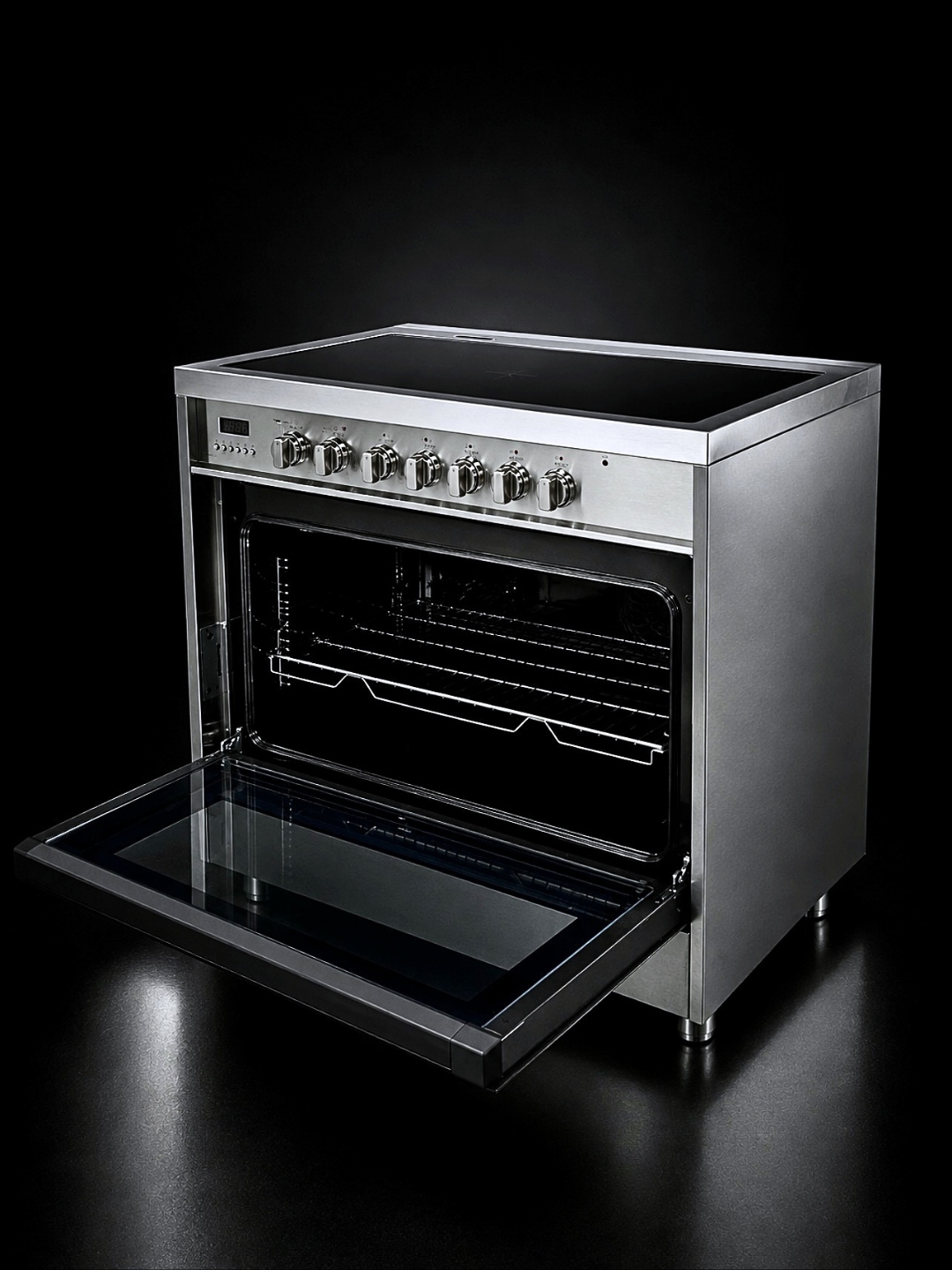
| Electric | Electric elements or ceramic-glass surface | Electric heat | Homeowners seeking straightforward electric cooking and a smooth, contemporary surface |
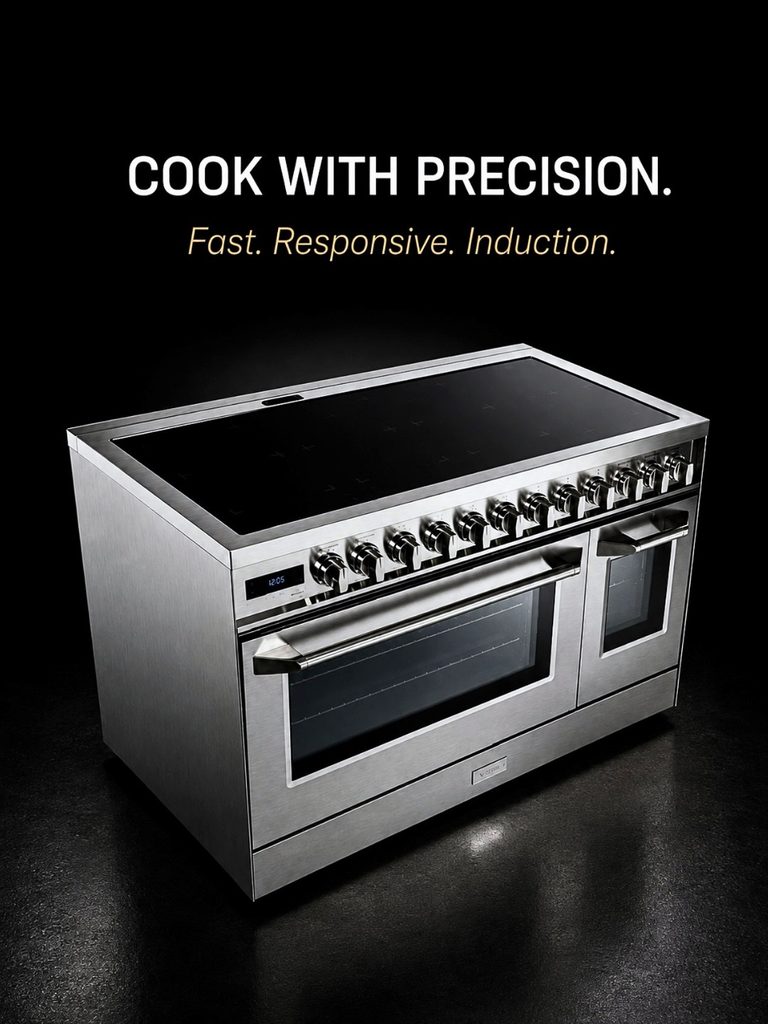
| Induction | Electromagnetic energy heats compatible cookware directly | Electric heat | Cooks who prioritize speed, responsiveness, precision and easy cooktop cleanup |
There is no universally “best” fuel type. The right choice depends on your recipes, cookware, available utility connections, cleaning preferences, kitchen design and the kind of control you want at the cooktop and in the oven.
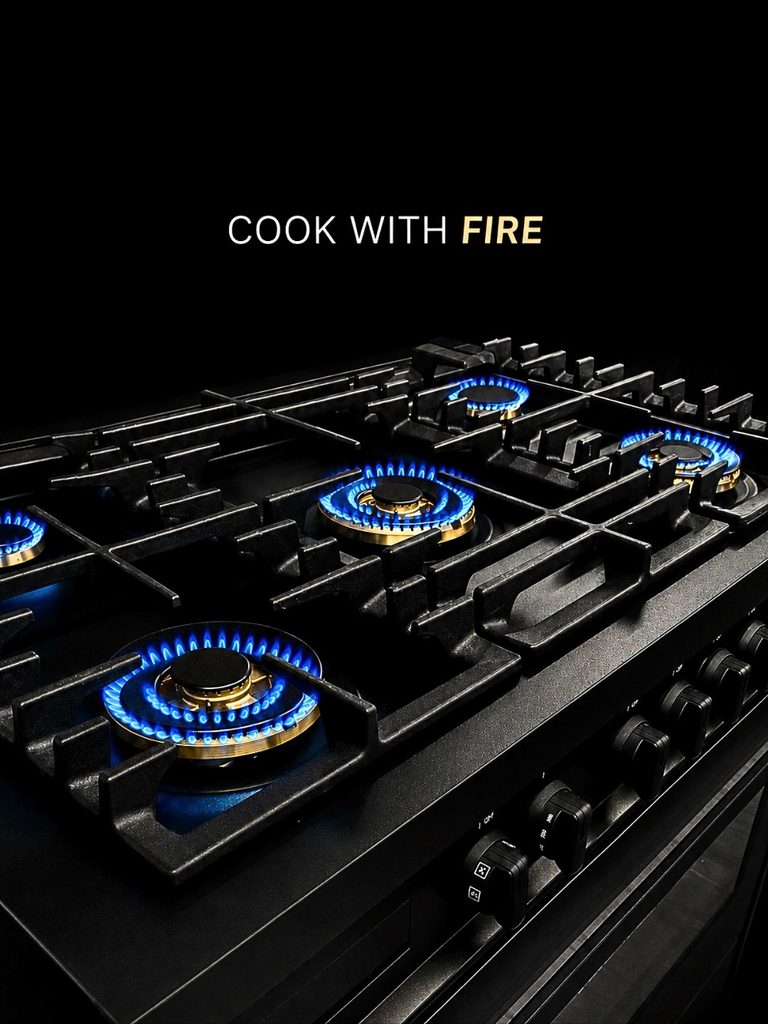
Gas Ranges: Cook With Fire
Gas remains a favorite for cooks who want to see and feel every adjustment. Turn the knob and the flame responds immediately, making it easy to move from a rapid boil to a controlled simmer.
Verona gas ranges bring that familiar cooking experience together with professional-style design. Select Verona models feature sealed burners, high-output brass burners, continuous cast-iron grates and flame-failure safety systems. These details support confident movement across the cooktop, from searing and sautéing to simmering delicate sauces.
The 36-inch Verona Ultima Gas Range features five sealed SABAF brass burners, including a dual burner rated up to 17,000 BTU. For kitchens that call for even greater scale, the 48-inch Verona Ultima Gas Range pairs six brass burners with a griddle and two gas ovens.
A gas range may be right for you if:
- You appreciate visible, immediate flame control.
- You frequently sear, sauté, char or cook with a wok.
- You prefer the familiarity of traditional gas cooking.
- Your kitchen already has an appropriate gas connection and ventilation plan.
Electric Ranges: Versatile, Familiar and Design Forward
Electric ranges remain a practical and versatile choice, particularly for kitchens without a gas connection. A ceramic-glass cooking surface creates a clean visual line and provides a stable platform for everyday cooking.
Electric heat also pairs naturally with multifunction ovens, giving home cooks the flexibility to bake, roast, broil and use convection modes where available. For homeowners who want an all-electric kitchen but are not choosing induction, a Verona electric range provides another way to combine Italian design with everyday usability.
An electric range may be right for you if:
- Your kitchen is configured for electric appliances.
- You prefer a smooth cooktop surface.
- You want an approachable all-electric cooking experience.
- You value multifunction oven versatility.
Cooktops and Built-In Ovens: Create a Kitchen Around Your Workflow
A freestanding range is not the only way to build a Verona kitchen. Separating the cooktop from the oven can create a more customized workflow and offer additional freedom in the kitchen plan.
Verona gas cooktops are available in multiple sizes, including 30-inch and 36-inch models. The 36-inch Italian-made gas cooktop features five brass burners, continuous cast-iron grates and a triple-ring center burner designed to move from simmering to searing.
A built-in oven can be installed separately at a comfortable working height or paired with a cooktop for a tailored cooking zone. Verona’s 30-inch self-cleaning electric oven includes European convection, multiple cooking functions and a pyrolytic self-clean cycle.
This approach may be especially appealing when:
- You want the cooktop and oven in different areas of the kitchen.
- You prefer an oven installed at a more accessible height.
- Your design calls for a streamlined, built-in appearance.
- You want to combine a gas cooktop with a separate electric oven.
How to Choose the Right Verona Cooking Appliance
Before selecting a range, cooktop or built-in oven, consider these five questions.
1. What do you cook most often?
Frequent wok cooking, sautéing and searing may point toward gas. Baking enthusiasts may appreciate dual fuel or an electric oven. Fast weekday cooking and easy cleanup may make induction especially attractive.
2. What utilities are available?
Confirm whether the kitchen has the gas line, electrical service and ventilation required for the appliance under consideration. Always review the model’s installation specifications with a qualified professional before purchase.
3. How much cooking capacity do you need?
Think beyond everyday meals. If you regularly entertain, cook for a large household or prepare several dishes simultaneously, a wider range, multiple ovens or a separate cooktop-and-oven configuration may add meaningful flexibility.
4. What cookware do you own?
Gas and traditional electric surfaces accommodate a broad selection of cookware. Induction requires magnetic cookware. A simple test is to place a magnet against the bottom of a pan; a strong attraction generally indicates induction compatibility.
5. What should the appliance contribute to the design?
A cooking appliance is one of the largest visual anchors in the kitchen. Consider the scale, finish, handle design and relationship to surrounding cabinetry. Verona ranges are offered in finishes that can include stainless steel, white, burgundy and matte black, depending on the collection and model.
One Italian Standard. More Ways to Cook.
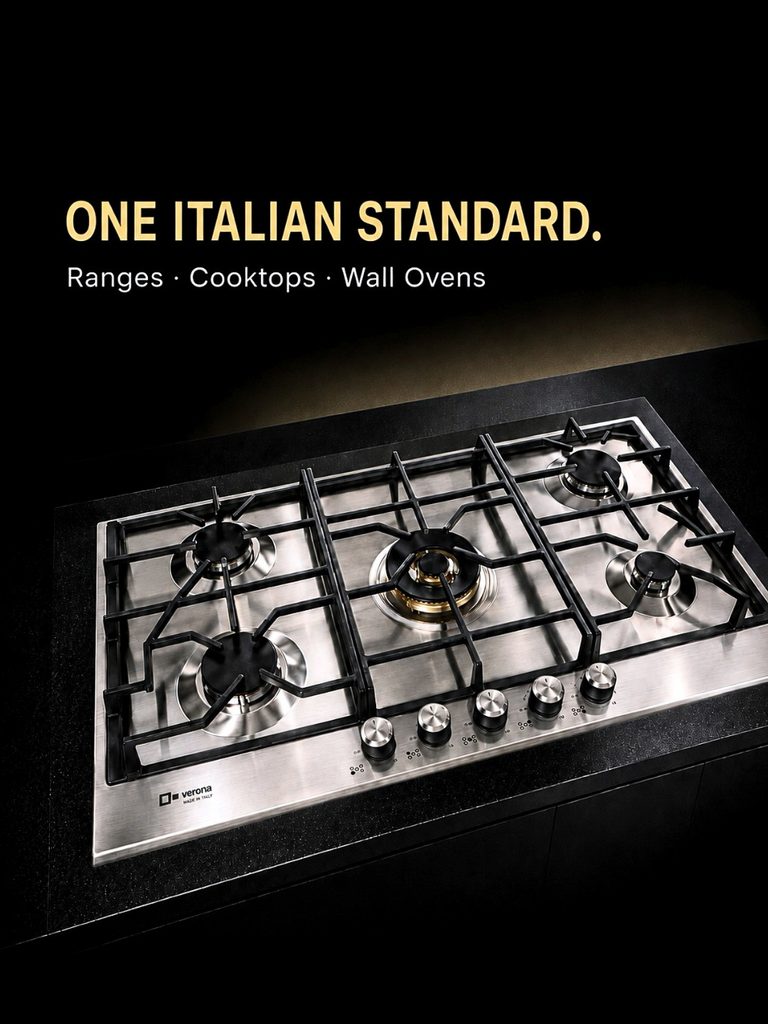
The best kitchen is not defined by one fuel type. It is defined by how naturally it supports the person using it.
Gas delivers the direct visual language of flame. Dual fuel brings gas cooktop control and electric oven versatility together. Electric offers a familiar all-electric solution, while induction delivers speed, precision and a streamlined surface. Cooktops and built-in ovens add even more freedom to the kitchen plan.
Across every configuration, Verona brings together Italian design, purposeful functionality and professional-style presence for the home.
However you cook, cook Verona.
Explore Verona ranges · Discover Verona cooktops · Explore built-in ovens
Frequently Asked Questions
Neither is universally better. Gas offers visible flame and immediate manual feedback, while induction provides fast, precise electric cooking on a smooth surface. The right choice depends on your cooking habits, utilities, cookware and cleaning preferences.
A dual fuel range combines a gas cooktop with an electric oven. This gives cooks the responsiveness of flame for stovetop cooking and the controlled versatility of electric heat for baking and roasting.
Induction requires magnetic cookware, such as many cast-iron and stainless-steel pans. Check the cookware manufacturer’s guidance or test the base with a magnet before use.
Yes. Installing a cooktop and built-in oven separately can provide gas cooking at the counter and electric oven performance elsewhere in the kitchen, subject to the appliance specifications and proper professional installation.
Availability varies by collection and model. Verona offers range, cooktop and built-in oven options across multiple widths, including compact, 30-inch, 36-inch and statement-making 48-inch configurations. Review each product page and specification sheet before planning cabinetry or utility connections.